Name & Attention
Say your dog's name once. Reward a glance toward you; slowly practice around gentle distractions.
Find it faster
Search Tailuno
Popular searches
Contact Tailuno
Free Shipping
On every order
Fast Delivery
3–5 calendar days
24/7 Support
Here whenever you need us
Easy Returns
Free within 30 days
Good habits are built in the everyday moments. Explore a calm, reward-led approach to teaching cues, making walks easier, and helping your pet feel confident at home and beyond.
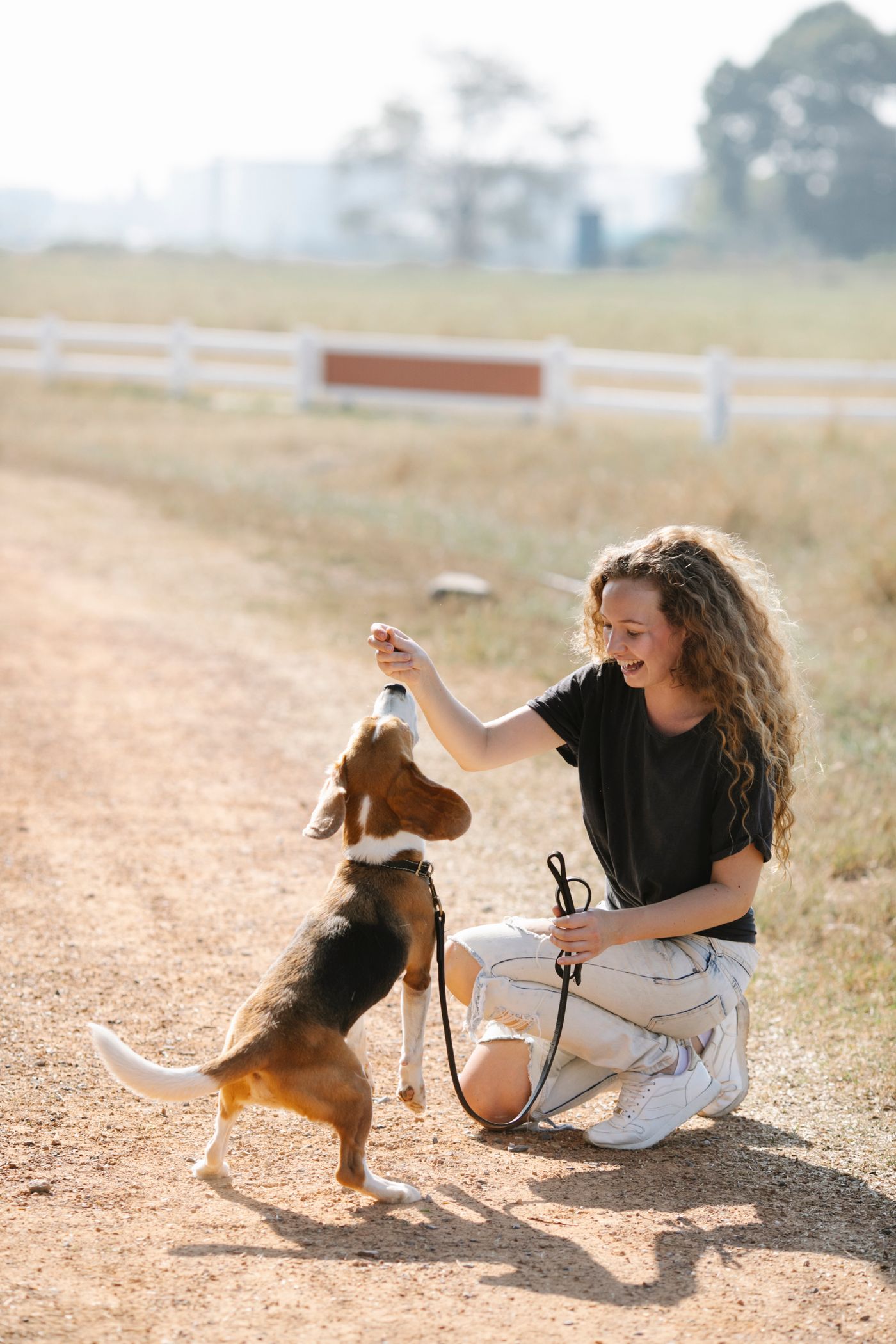
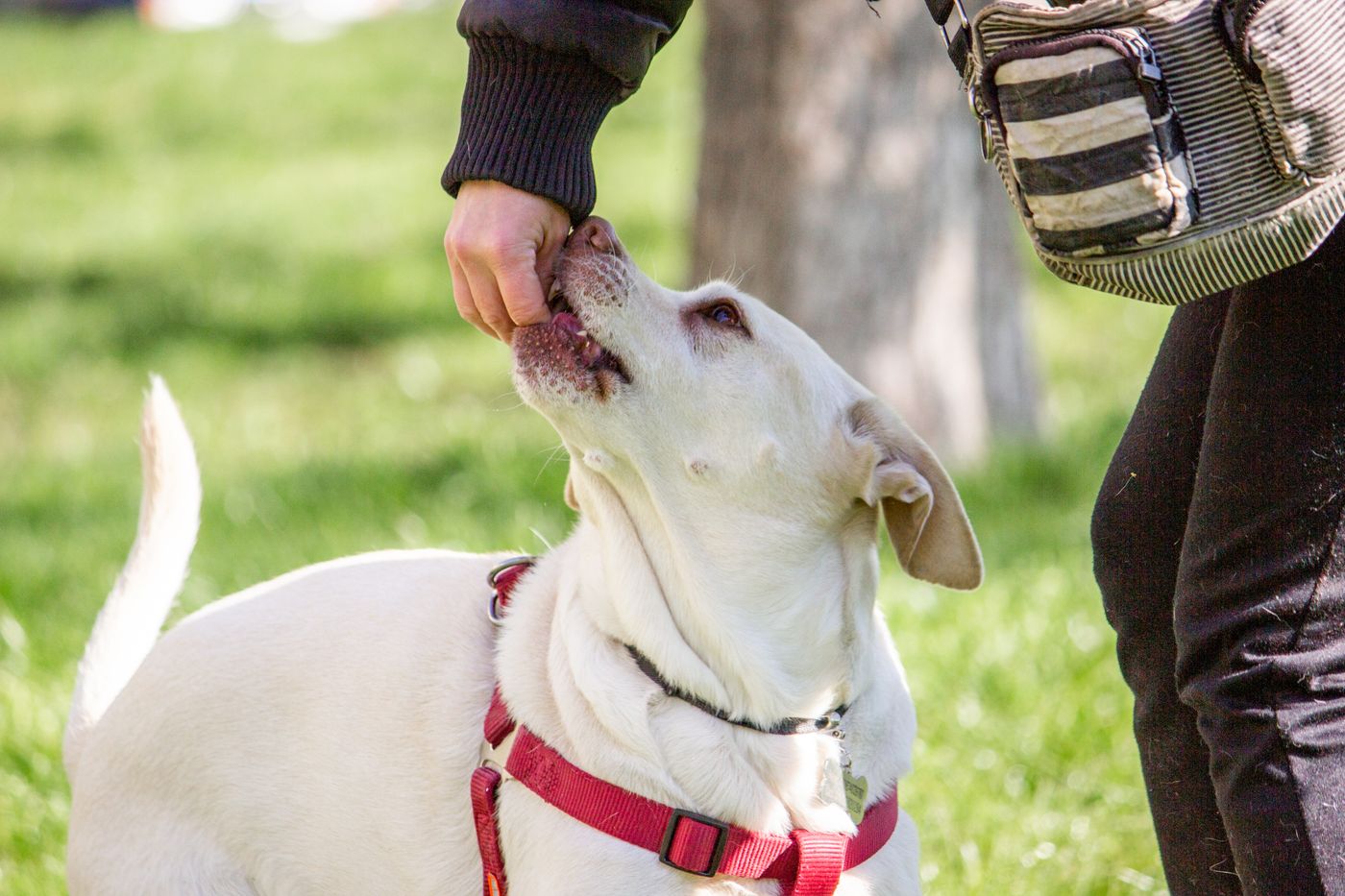
Training works best when your pet understands what earns a reward and feels safe enough to try. Begin in a quiet space, choose a reward they genuinely enjoy, and celebrate the behavior you want to see again.
Start with foundational skills your pet can use in daily life. Reward progress, not perfection, and practice in more than one familiar setting.
Say your dog's name once. Reward a glance toward you; slowly practice around gentle distractions.
Reward a natural sit, then a relaxed pause. Build calm behavior before meals, greetings, or outings.
Begin nearby in a safe enclosed area. Use a cheerful cue, reward generously, and never punish a return.
Reward turning away from a low-value object. Increase difficulty only when your pet succeeds consistently.
Loose-leash walking is a skill to practice, not a behavior pets automatically understand. Choose a well-fitted harness or collar and a comfortable leash, then reward the moments your dog walks with slack in the lead.
Check fit and wear regularly. Avoid pulling sharply on the leash, especially around the neck.
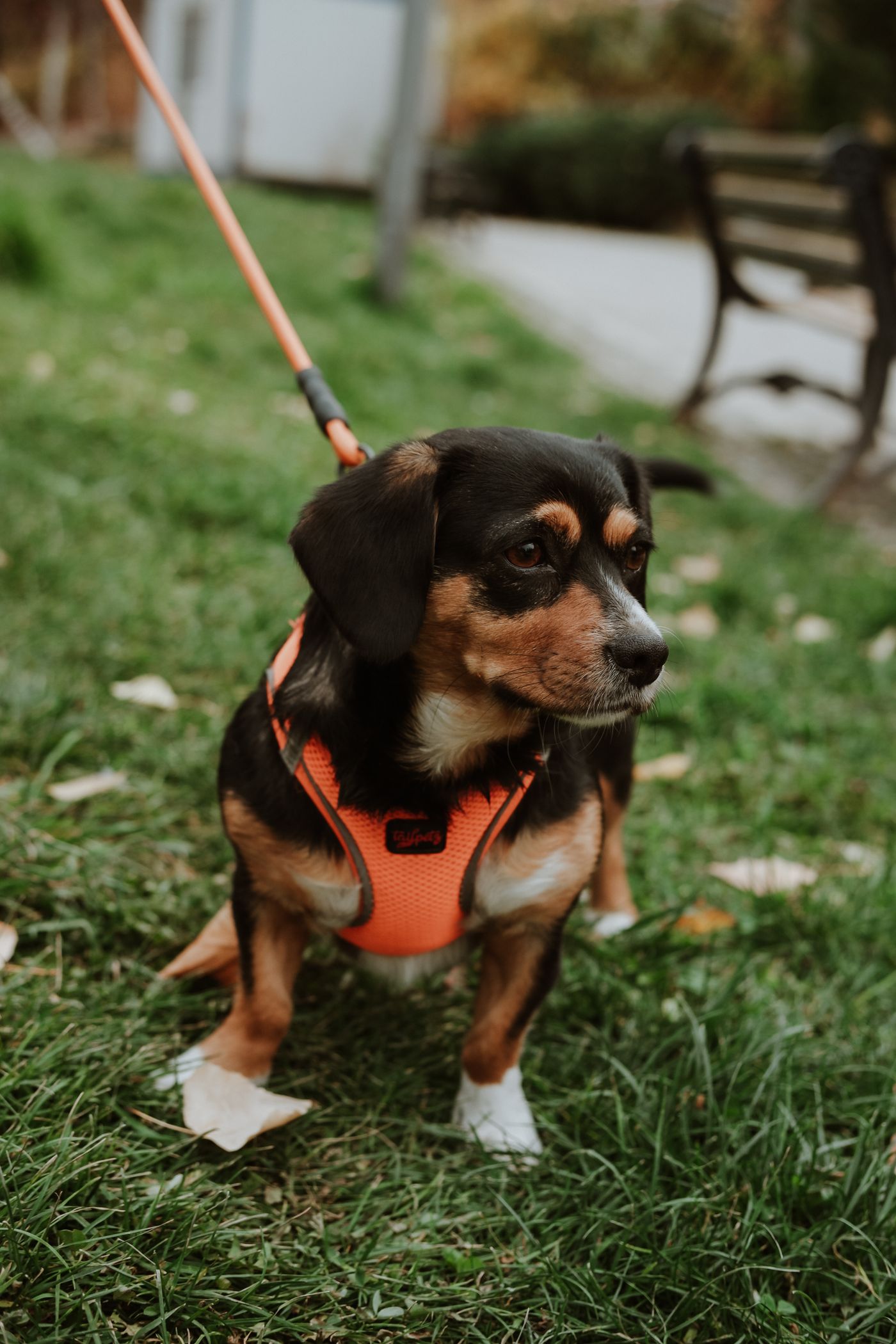
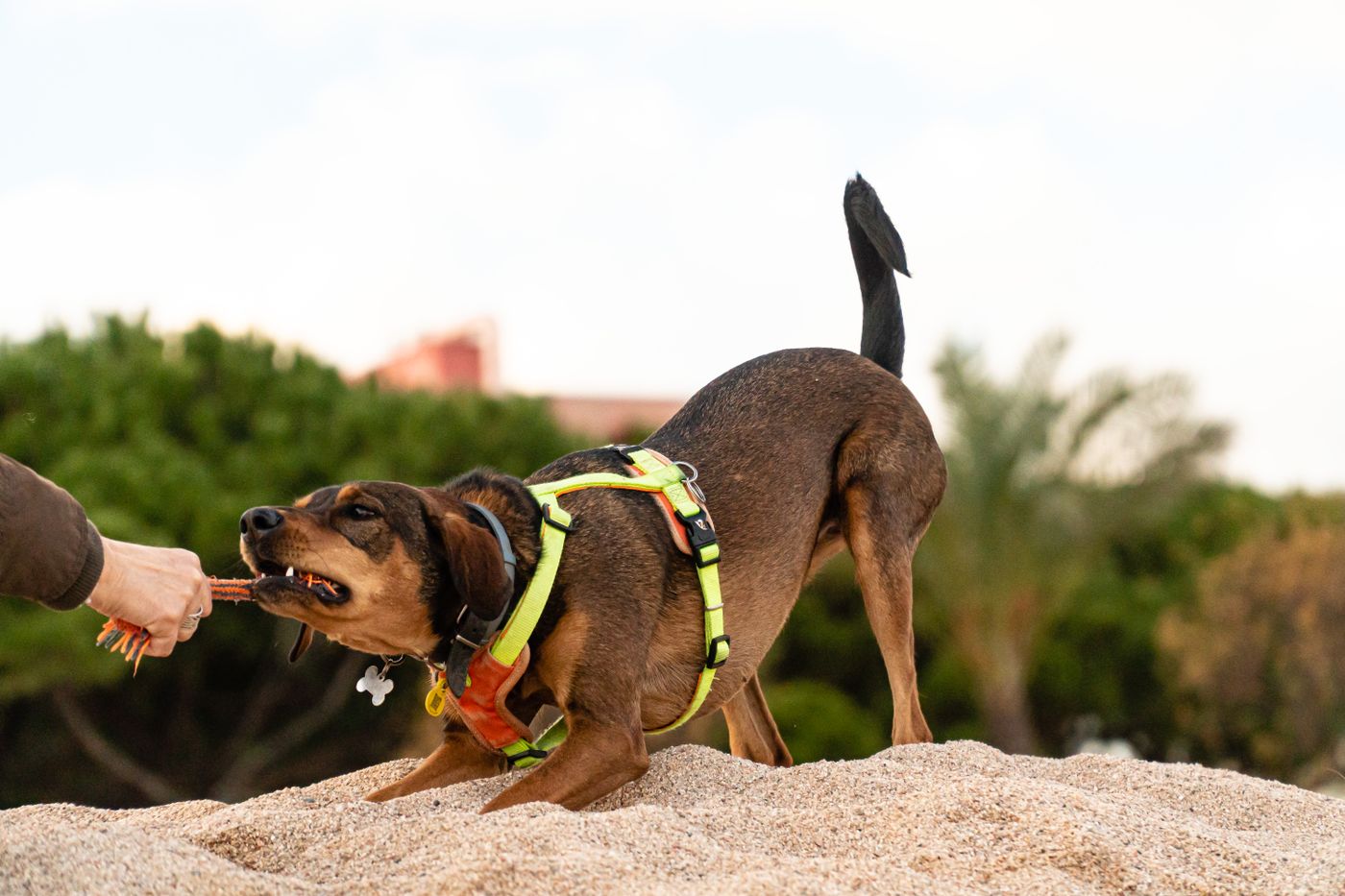
Play can strengthen attention, impulse control, and your relationship. A favorite tug toy, chase game, or food puzzle can become a meaningful reward after a well-practiced cue.
Thoughtfully chosen accessories can make sessions smoother. The most important training tools remain patience, consistency, and rewards your pet values.
Adapt this sample rhythm to your pet’s age, health, energy, and experience. End each session while your pet is still engaged.
Spend a few minutes rewarding name response, eye contact, and a familiar cue before breakfast.
Reward loose-leash moments during a short walk and include relaxed sniffing time.
Use a puzzle or toy to rehearse waiting, trading, and returning attention to you.
Practice settling on a mat or bed, praise relaxed behavior, and wind down together.
Simple guidance for the moments when progress feels uneven.
Begin with a few minutes at a time, adjusting for your pet’s attention span. Short, enjoyable practice sessions are usually easier to repeat consistently.
Reduce distractions, simplify the task, and improve the reward. Check that your pet is comfortable and able to focus before trying again.
Yes. Pets of many ages can learn through gentle, reward-based practice. Adjust activities to physical comfort, mobility, and health needs.
If your pet shows fear, aggression, severe distress, or sudden changes in behavior, speak with your veterinarian or a qualified reward-based behavior professional.
Questions about training accessories or your Tailuno order? Our support team is available 24/7. Enjoy free shipping, delivery in 3–5 calendar days, and free returns or exchanges within 30 days.