TAILUNO GROOMING GUIDE

A calmer grooming routine for everyday care.

Grooming works best when it becomes a familiar routine rather than an occasional stressful event. This guide covers brushing, bathing, nail care, dental care, tool maintenance, and practical ways to make each session more comfortable.
Brush & Comb Bath & Dry Nail Care Dental Care
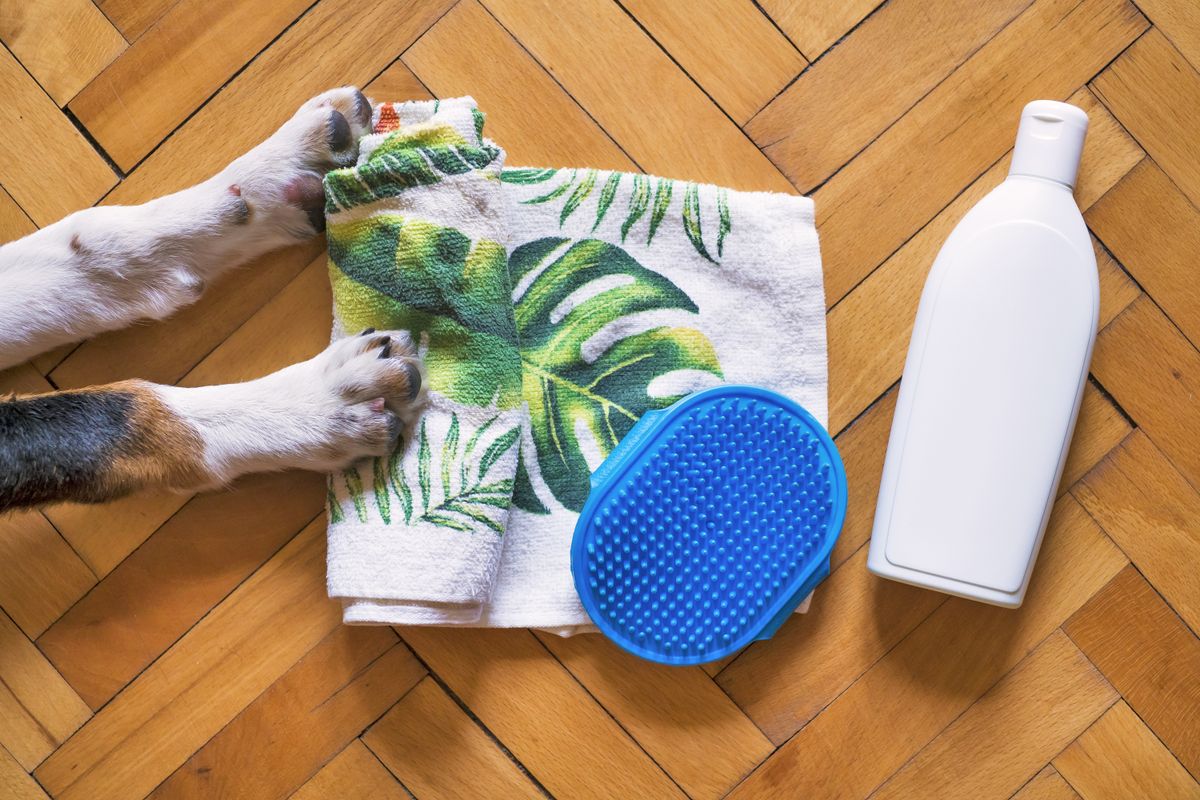
Dog with towel, shampoo, brush, and pet grooming essentials
THE GROOMING RHYTHM

Keep sessions short, familiar, and easy to repeat.

Grooming frequency depends on the pet, coat, lifestyle, product, and professional guidance. The useful habit is to inspect often and handle small tasks before they become difficult.

Coat

Brush before tangles build

Use the right brush or comb for the coat and work gently through small areas instead of pulling through resistance.

Bath

Wash only when appropriate

Use pet-appropriate products, comfortable water temperature, thorough rinsing, and complete drying for the coat type.

Nails

Check length regularly

Frequent inspection can make trimming or grinding sessions shorter and easier than waiting for nails to become overgrown.

Dental

Build oral care gradually

Introduce pet-appropriate dental care slowly and use products intended specifically for pets.

BRUSHING & COAT CARE

Choose the tool around the coat, not the shelf.

Slicker brushes, pin brushes, combs, deshedding tools, and grooming gloves do different jobs. Start with the coat type and the area you are grooming, then use light pressure and small sections so the process stays controlled.
  • Brush in manageable sections and support the coat near tangles rather than pulling hard from the skin.
  • Pay attention to friction areas such as behind the ears, under the legs, around collars, and along longer feathering.
  • Clean loose hair from brushes and combs after use so the tool remains effective.
  • Stop if you find painful mats, irritated skin, wounds, parasites, or a reaction that needs professional assessment.
Dense, curly, double, long, short, and fine coats can require different tools and schedules. When you are unsure, ask a professional groomer or veterinarian what is appropriate for your pet.
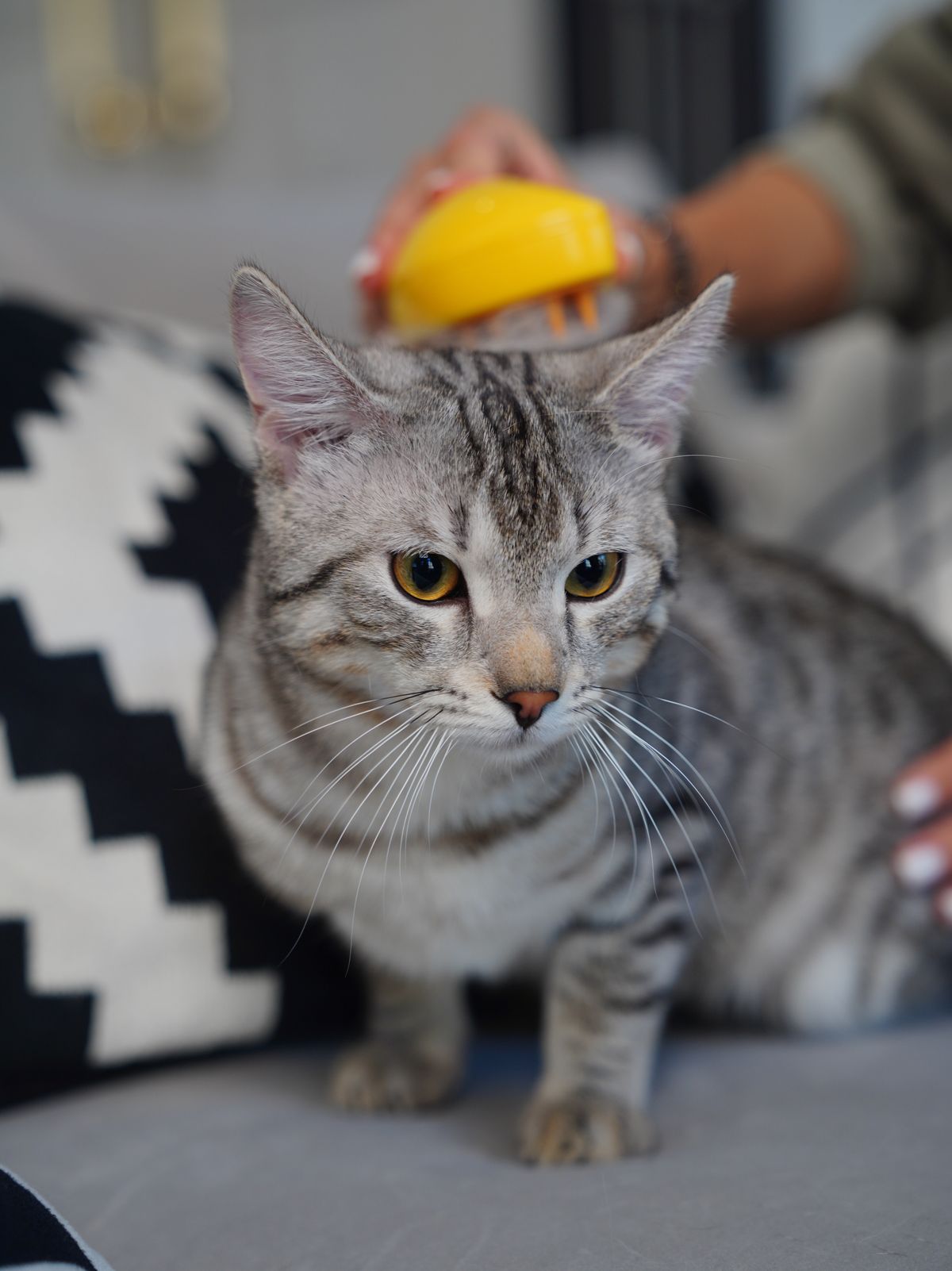
Gray tabby cat being brushed with a pet grooming brush
BATH & DRY

A controlled bath is easier than a rushed bath.

Prepare shampoo, towels, a non-slip surface, brush, and drying setup before the pet gets wet. Keeping everything within reach reduces unnecessary movement and helps the session stay calm from start to finish.
  • Brush out loose hair and manageable tangles before bathing when appropriate for the coat.
  • Use pet-appropriate shampoo and follow the label directions for dilution, contact time, and rinsing.
  • Avoid getting product directly into the eyes, nose, mouth, or ear canals.
  • Rinse thoroughly and dry the coat appropriately, especially in dense areas that can stay damp longer.
Bathing too often or using unsuitable products can irritate some pets. Adjust the routine to coat, skin, activity level, and professional advice rather than following a fixed schedule for every animal.
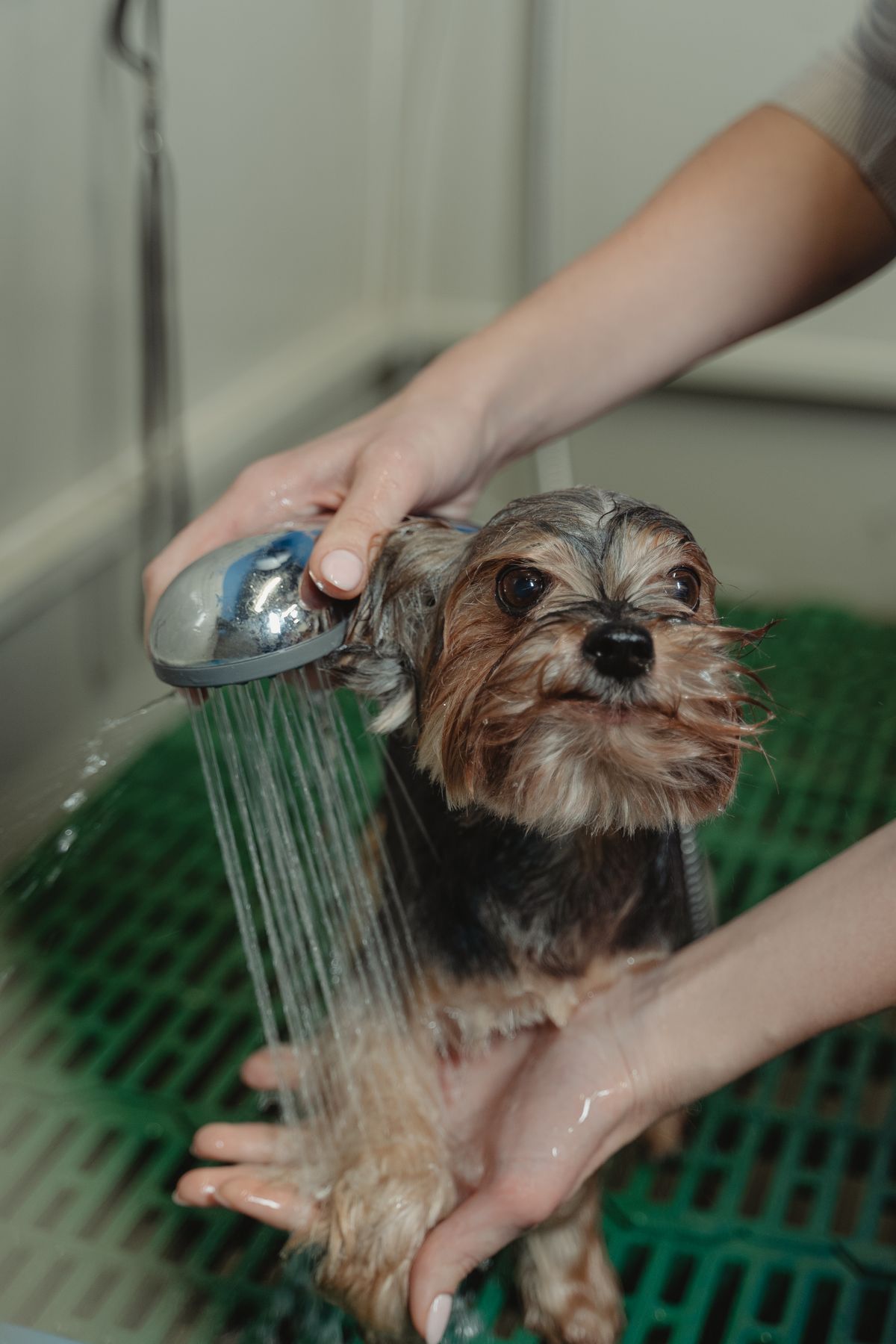
Yorkshire Terrier being bathed and groomed
THE GROOMING KIT

Keep the essentials organized by task.

LESS CLUTTER, BETTER CONTROL

Build a kit you can actually maintain.

You do not need every grooming tool at once. Start with the products that match your pet’s coat, nails, bathing needs, and dental routine, then keep those tools clean and easy to reach.

Brush or comb

Choose the design around coat length, density, shedding, tangles, and comfort.

Bath essentials

Pet shampoo, absorbent towels, a non-slip surface, and any coat-specific products you actually use.

Nail tool

Use clippers or a grinder you can control comfortably, with good lighting and a stable working position.

Dental supplies

Use pet-specific toothpaste and a toothbrush, finger brush, or other veterinary-recommended dental tool.

Cleaning supplies

Keep a method for removing hair and cleaning tool surfaces according to each product’s instructions.

Reward setup

Keep small treats or another suitable reward nearby when positive reinforcement helps the session.
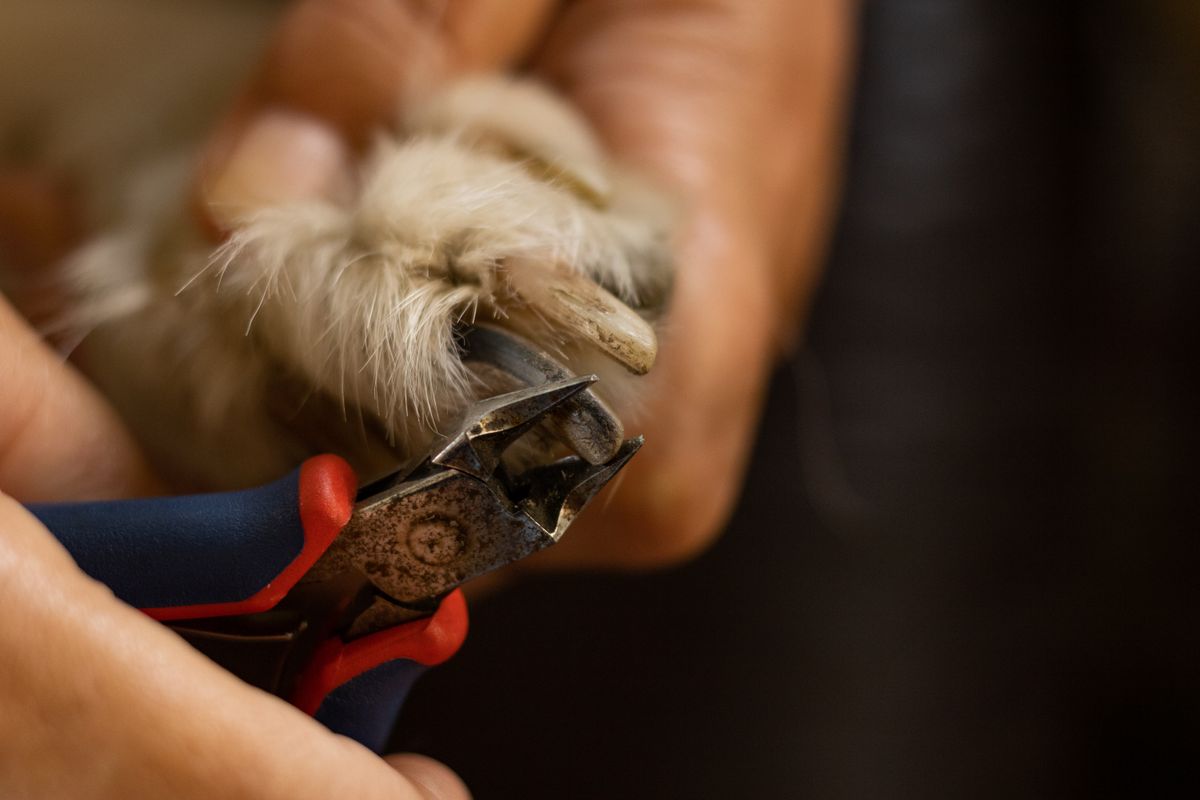
Close-up of a dog's nail being trimmed with pet nail clippers
NAIL CARE

Good visibility matters more than speed.

Nail care should be controlled and deliberate. Use a stable position, good lighting, and a tool that is suitable for the pet. If you cannot confidently identify the safe trimming area, ask a professional groomer or veterinarian for guidance.

  • Handle paws gently between sessions so nail care does not begin with unfamiliar touching.
  • Trim or grind small amounts at a time rather than trying to remove too much in one pass.
  • Keep fur, cords, and loose material away from rotating grinder parts.
  • Stop if the pet becomes highly distressed or if you are unsure how far the nail can safely be shortened.
If a nail is torn, bleeding heavily, painful, infected, or embedded into the paw, seek veterinary care rather than treating it as routine grooming.
DENTAL CARE

Make mouth care gradual and pet-appropriate.

Start by helping the pet become comfortable with gentle handling around the muzzle and lips. Use dental products made for pets, follow the directions, and keep sessions short enough that they remain manageable.
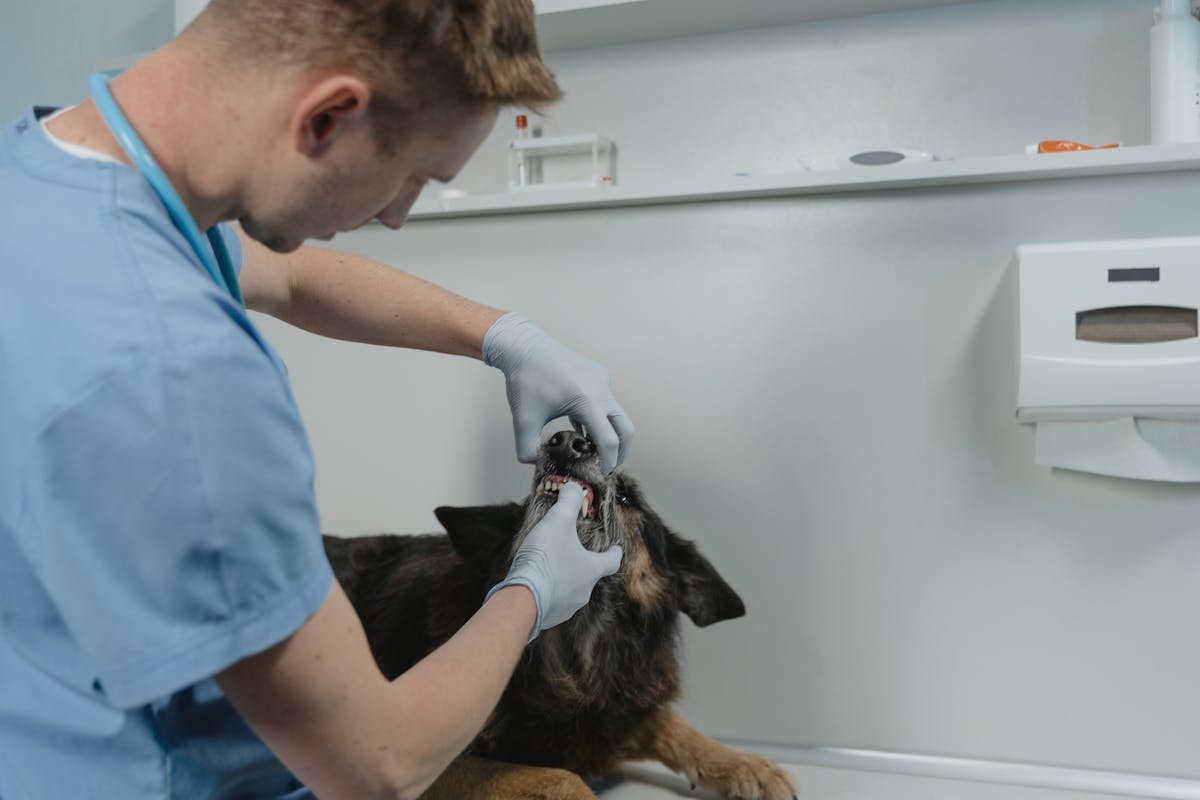
  • Use pet-specific toothpaste rather than human toothpaste.
  • Introduce the toothbrush or finger brush gradually instead of forcing a full session immediately.
  • Watch for persistent bad breath, bleeding gums, broken teeth, swelling, pain, or difficulty eating.
  • Professional dental evaluation may still be needed even when home care is consistent.
Veterinarian examining a dog's teeth during a dental check
TAILUNO GROOMING MAP

Use the grooming categories by the job they need to do.

Coat

Brushes & Grooming Tools

Choose brushes, combs, deshedding tools, and coat-care accessories around coat type and grooming purpose.

Bath

Bath Care

Use pet-appropriate washing products, towels, and supportive accessories for a controlled bath-and-dry routine.

Nails

Nail Tools

Clippers and grinders should provide control, visibility, and a suitable approach for the individual pet.

Dental

Dental Essentials

Pet-specific toothbrushes, finger brushes, toothpaste, and related oral-care products support a repeatable routine.

Comfort

Calm Setup

A stable surface, towels, rewards, and short sessions can make grooming more manageable for both pet and handler.

Maintenance

Clean Tools

Remove hair, residue, and buildup from grooming tools and maintain them according to product instructions.

Inspection

Check Before Use

Look for damaged blades, loose parts, cracked housings, frayed cords, worn attachments, or contaminated surfaces.

Replacement

Retire Worn Products

Replace tools that no longer operate safely, clean effectively, or provide comfortable contact with the pet.

TOOL CARE

Clean tools make the next session easier to trust.

Hair, skin oils, shampoo residue, nail dust, and moisture can collect on grooming tools. Cleaning and storing products correctly helps preserve performance and makes it easier to spot wear before the next use.
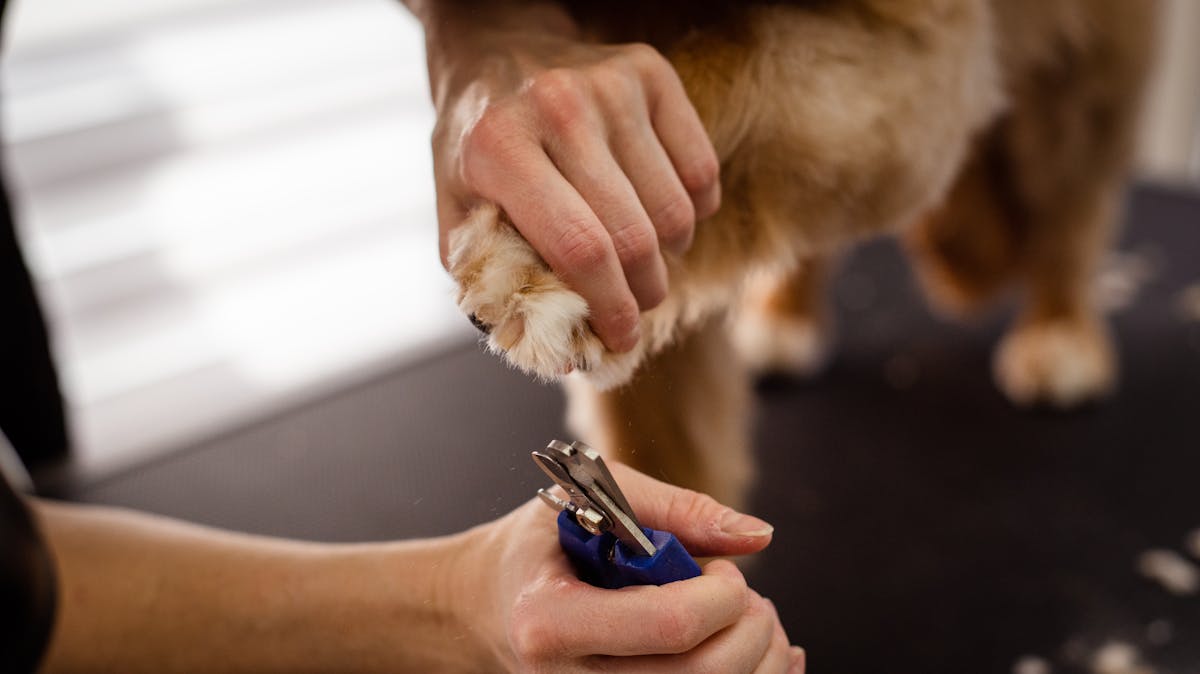
  • Remove trapped fur from brush pins, comb teeth, clipper guards, and deshedding surfaces after use.
  • Clean and dry tools according to manufacturer instructions before putting them away.
  • Store powered tools and attachments in a dry location and inspect cords, charging ports, and housings regularly.
  • Do not share contaminated tools between pets without appropriate cleaning and sanitation.
Professional groomer trimming and caring for a dog's paw
WHEN TO STOP GROOMING

Some problems need professional care instead.

This guide is general grooming information, not veterinary diagnosis or treatment. Stop routine grooming when you see signs that suggest pain, injury, infection, or another problem that needs professional assessment.

Skin irritation or wounds Persistent redness, bleeding, sores, swelling, discharge, or painful skin should not be treated as normal grooming.
Severe matting Tight mats close to the skin can be painful and risky to remove without the right experience and tools.
Ear or eye problems Strong odor, discharge, swelling, persistent head shaking, squinting, or obvious discomfort deserves professional attention.
Dental pain or broken teeth Bleeding, swelling, broken teeth, difficulty eating, or signs of oral pain are reasons to contact a veterinarian.
TAILUNO SERVICE STANDARD

Support for the products around your grooming routine.

Tailuno support can help with product information, orders, delivery, returns, exchanges, and general questions about grooming products sold through the store.

24/7 Support Customer support is available around the clock.
Free Shipping Shipping is included on all Tailuno products.
3–5 Day Delivery Standard delivery is expected within 3–5 calendar days.
30-Day Returns Free returns and exchanges are available within 30 days.
15% Subscribers Successful email subscribers receive an automatic sitewide discount with no code.
20% Selected Deals Selected promotional products receive an automatic discount with no code.
GROOMING PRODUCT SUPPORT

Need help understanding a grooming product?

Tailuno support is available 24/7 for product information, order assistance, delivery questions, returns, exchanges, and general store support. For medical concerns, diagnosis, or treatment, contact a licensed veterinarian.

support@tailuno.lat +1 (513) 612-0666 194 Green Whisker Ln, Hartsel, CO 80449, United States
Contact Tailuno