Choose a complete diet
Select food labeled complete and balanced for your pet’s species and life stage. Puppies, kittens, adults, and seniors may have different nutritional needs.
Find it faster
Search Tailuno
Popular searches
Contact Tailuno
Free Shipping
On every order
Fast Delivery
3–5 calendar days
24/7 Support
Here whenever you need us
Easy Returns
Free within 30 days
TAILUNO CARE GUIDE / FEEDING
Make every meal a moment of care. From choosing the right feeding setup to building steady daily habits, discover a practical, pet-first approach to happier mealtimes.
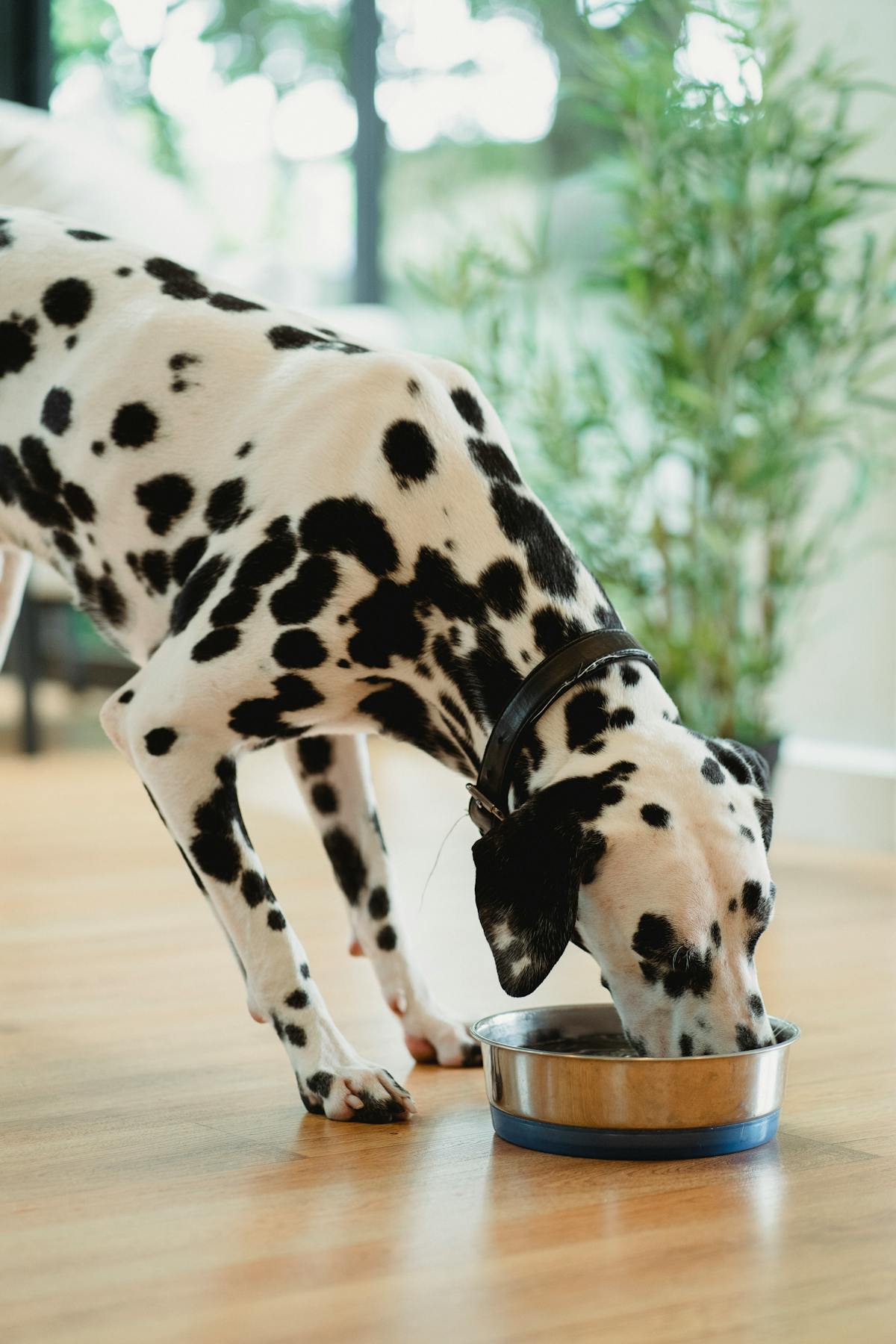 A better everyday ritual
Good nutrition starts with the right food—and becomes a dependable routine through the way you serve, store, and support it.
The essentials
No two pets eat exactly alike. Use these three foundations as your daily starting point, then personalize them with guidance from your veterinarian.
Select food labeled complete and balanced for your pet’s species and life stage. Puppies, kittens, adults, and seniors may have different nutritional needs.
A steady schedule makes appetite changes easier to notice and helps mealtimes feel calm. Measure food rather than relying on guesswork.
Offer food in a quiet, accessible place using a clean, stable bowl. Give every pet enough space to eat without pressure from other animals.
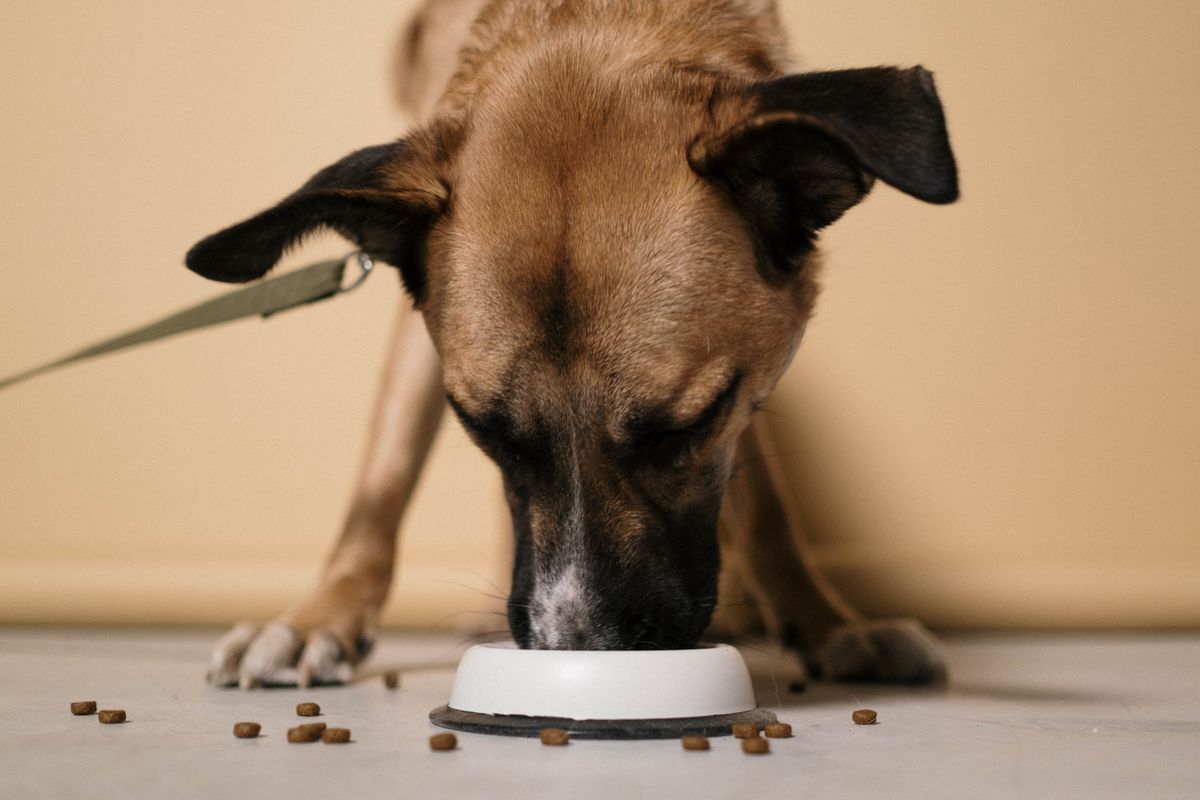
01 / Portion awareness
Serving size depends on more than breed or body weight. Age, activity, health, body condition, treats, and the calorie density of the food all matter.
For growing pets, pregnant or nursing animals, and pets with medical conditions, request an individualized feeding plan.
02 / Daily rhythm
A simple routine should fit your pet’s age, health, and household—not the other way around. The examples below are general starting points rather than strict medical schedules.
Young pets often need smaller, more frequent meals. Frequency changes as they grow, so follow life-stage food instructions and your veterinarian’s advice.
Many adult dogs do well with two measured meals daily. Cats may prefer multiple smaller meals or a structured feeding plan tailored to their needs.
Continue consistent meals, but watch for changes in appetite, chewing, thirst, or body condition. Ask your vet before making major dietary changes.
| Daily checkpoint | What to do | Why it matters |
|---|---|---|
| Before serving | Check the food, measure the meal, and refresh drinking water. | Helps keep portions steady and meals safe. |
| During mealtime | Provide a calm space and observe how comfortably your pet eats. | Makes changes in appetite or behavior easier to spot. |
| After serving | Remove leftover wet food promptly and wash the bowl. | Reduces spoilage and residue buildup. |
| Over the week | Review treat intake, activity, and any changes in weight or condition. | Helps you decide whether to discuss an adjustment with your vet. |
Avoid abrupt changes in diet. When switching foods, ask your veterinarian about an appropriate gradual transition, especially for pets with sensitive digestion.
03 / Water & cleanliness
Hydration deserves the same attention as mealtime. Provide clean, accessible water throughout the day, and offer extra access when the weather is warm or your pet is especially active.
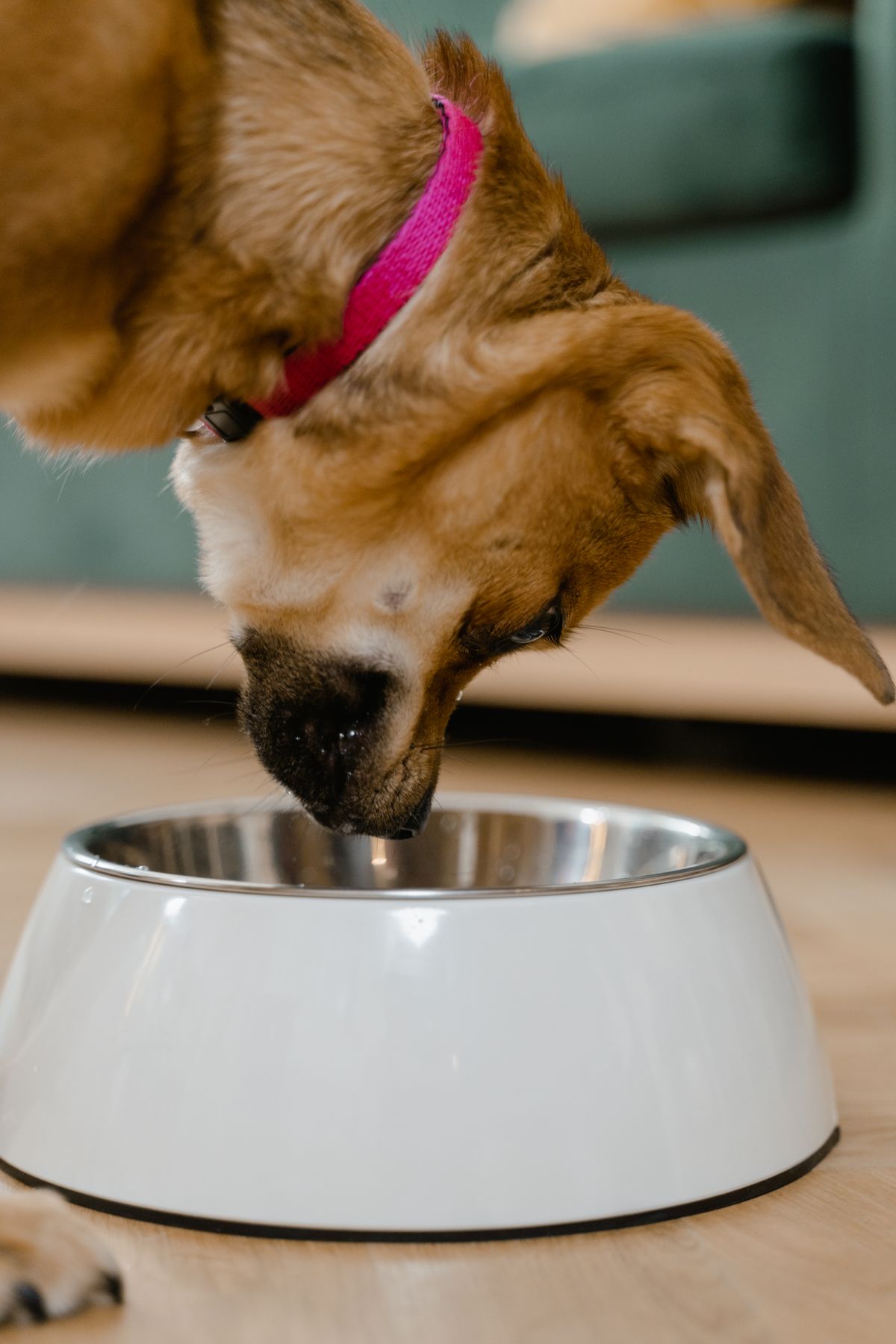
04 / Designed around daily life
The best feeding accessories make daily care easier without complicating your routine. Explore what to look for as you choose bowls, feeding accessories, and waterers.
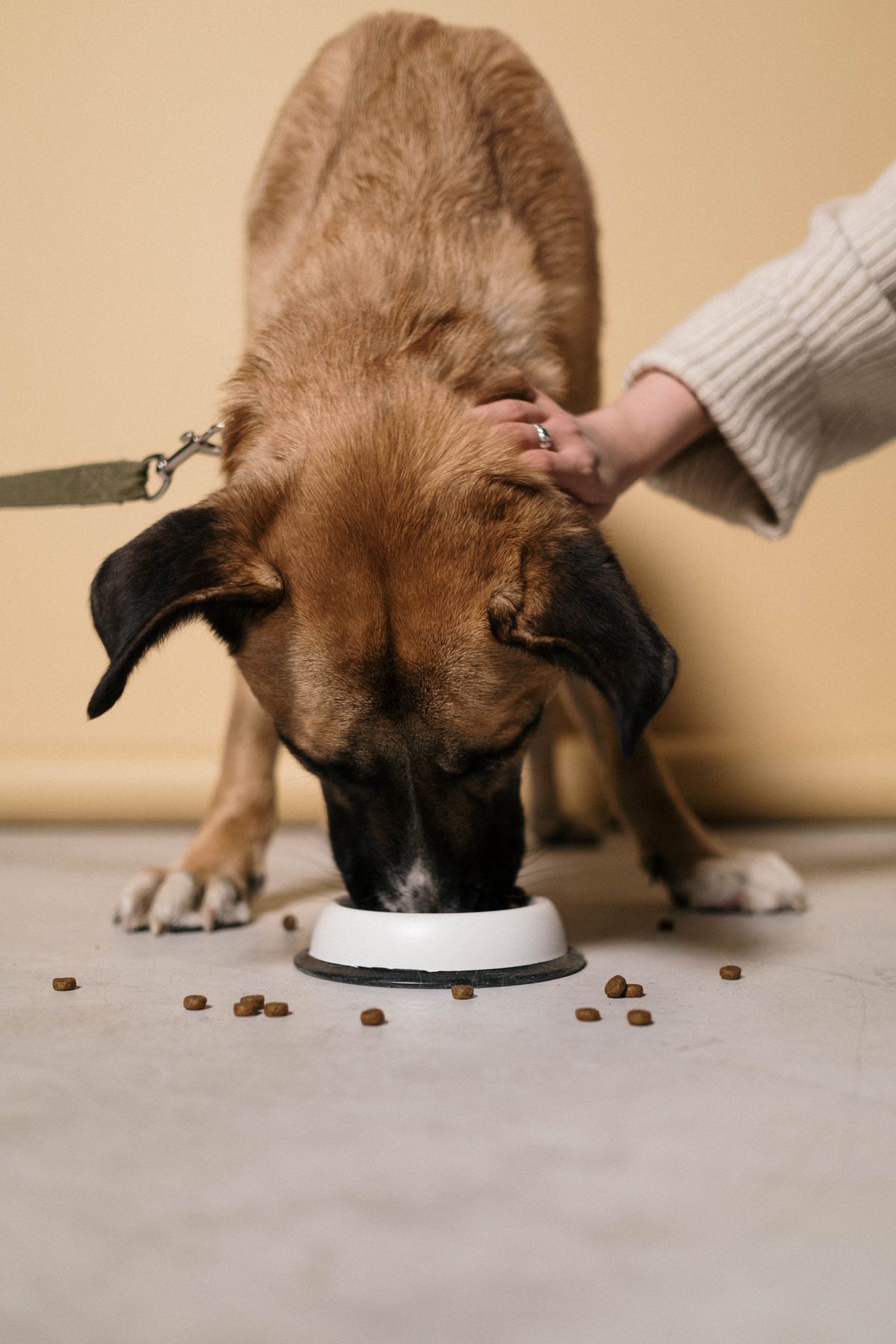
Bowls & feeding accessories
Prioritize the practical details behind an elevated feeding station.
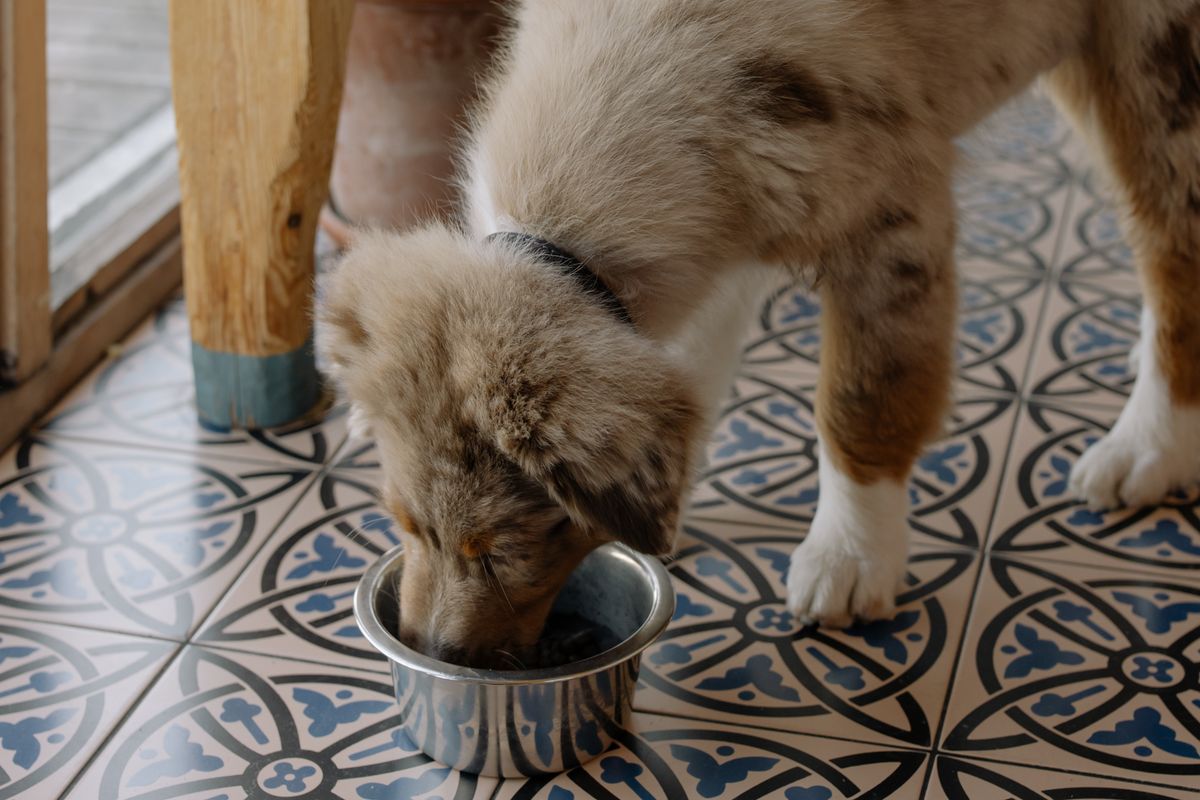
Feeders & waterers
Helpful feeding tools can complement your routine, but regular cleaning and observation still matter.

05 / A gentler transition
A new bowl, feeder, food, or feeding location can take getting used to. Make one change at a time and keep an eye on your pet’s comfort.
Preserve familiar meal times and a quiet feeding space when introducing a new accessory.
Allow your pet to explore a new bowl or feeder without pressure; supervise the first several meals.
Watch for reluctance, spills, discomfort, food guarding, or changes in appetite. Get veterinary advice if concerns persist.
06 / Helpful answers
Straightforward guidance for the little decisions that shape the everyday.
Begin with the food label’s guidance, measure servings consistently, and monitor weight and body condition. Your veterinarian can help determine a suitable daily calorie target for your individual pet.
Free-feeding may make intake harder to measure and is not appropriate for every pet. Scheduled, portion-controlled meals often make monitoring easier. Ask your veterinarian which approach best fits your pet.
Wash food bowls after meals, especially after wet or raw food, and refresh and wash water bowls daily. Clean automatic feeding equipment according to its instructions.
An automatic feeder can help maintain a schedule, provided it dispenses correctly and is kept clean. Continue checking appetite and behavior daily, and ensure a person is available to care for your pet.
A sudden loss of appetite can indicate a medical issue. Contact a veterinarian promptly, particularly for cats, young pets, or animals with other symptoms. Do not rely on feeding accessories to solve a possible health problem.
Care goes beyond the bowl
Explore thoughtfully chosen accessories for calmer, cleaner, more comfortable feeding routines—or reach out if you need a hand navigating your options.